What is Tennis Elbow?
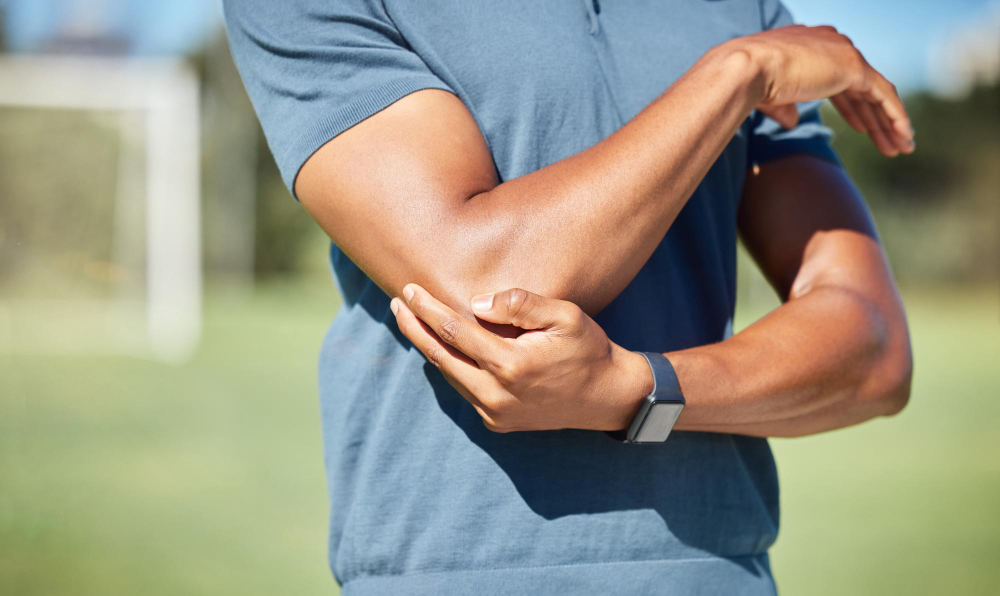
Tennis Elbow is a common condition that causes pain on the outside of your elbow. Doctors call it lateral epicondylitis. Although it is named after tennis, you do not have to play sports to get it. In fact, anyone who uses their arm for repeated movements can develop Tennis Elbow. Because it affects many people, it is important to know the signs and how to care for your elbow.
Common Symptoms
Usually, Tennis Elbow starts with mild pain. Over time, the pain can get worse. However, not everyone feels the same symptoms. Watch for these signs:
Sometimes, the pain may spread down your forearm. If you notice these symptoms, you should rest your arm and seek advice.
Causes and Risk Factors
Tennis Elbow is caused by overuse of the arm muscles and tendons. When you repeat the same motion, tiny tears can form in the tendon. Over time, these tears cause pain and swelling. For example, people who play racquet sports, painters, carpenters, or cooks are at higher risk. However, anyone can get Tennis Elbow if they use their arm the same way often.
Other risk factors include:
Because these factors add up, it is important to take breaks and use proper form.
Diagnosis Methods
If you have elbow pain, your doctor will ask about your symptoms and daily activities. Often, a simple exam is enough to diagnose Tennis Elbow. Sometimes, your doctor may press on your elbow or ask you to move your arm. In rare cases, tests like X-rays or MRI scans help rule out other problems. However, most people do not need special tests.
Treatment Options
Most cases of Tennis Elbow get better with simple care. However, it can take weeks or months to heal. Your doctor may suggest:
Sometimes, physical therapy helps speed up recovery. In rare cases, if pain does not improve, your doctor may suggest injections or surgery. However, most people get better without surgery.
Prevention Tips
Because Tennis Elbow is linked to overuse, prevention is key. You can lower your risk by:
Even small changes in your routine can help protect your elbow.
Lifestyle and Home Care Guidance
At home, you can manage Tennis Elbow with simple steps. First, rest your arm and avoid heavy lifting. Next, apply ice for 15 minutes at a time, several times a day. You can also use over-the-counter pain medicine if needed. Gentle exercises, as advised by your doctor or therapist, can help your elbow heal. However, do not push through severe pain. If your symptoms last more than a few weeks, see a healthcare provider.
In summary, Tennis Elbow is a treatable condition. Early care and prevention can help you stay active and pain-free. Consult an orthopedic specialist at Vasista Orthocare for personalized advice on Tennis Elbow.