
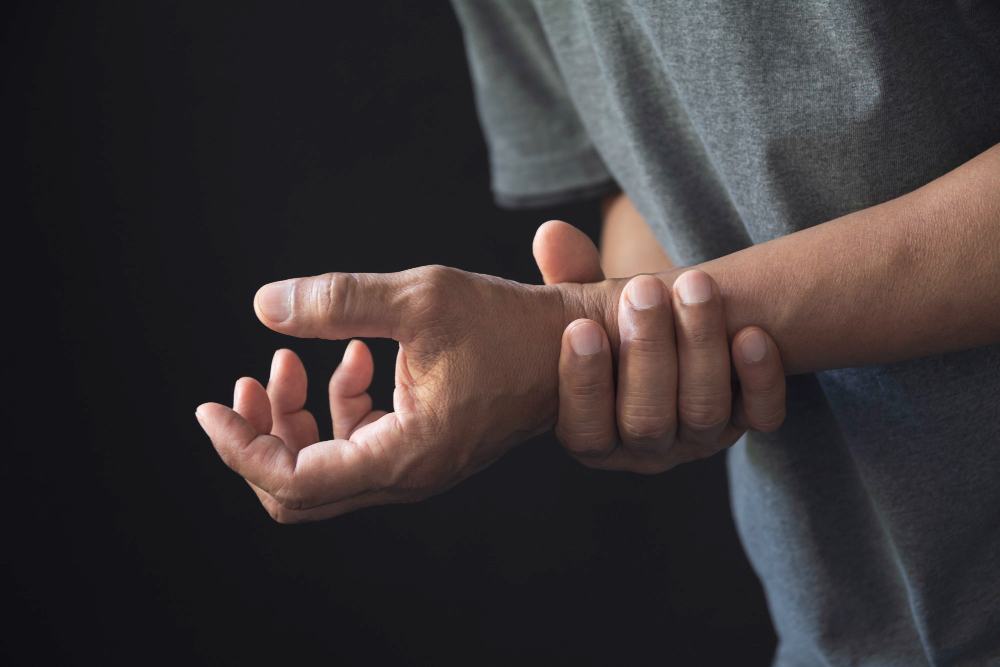
What Are FOOSH Injuries?
FOOSH injuries happen when you fall on an outstretched hand. The term FOOSH stands for “Fall On Outstretched Hand.” These injuries are common in both children and adults. Often, people use their hands to break a fall. As a result, the force travels up the arm, which can cause damage. FOOSH injuries may affect the wrist, forearm, elbow, or even the shoulder. Because these injuries can be serious, it is important to understand their signs and how to manage them.
Common Causes of FOOSH Injuries
Many daily activities can lead to FOOSH injuries. For example, slipping on a wet floor or tripping while walking can cause a fall. In addition, sports and outdoor activities often increase the risk. Children may get FOOSH injuries while playing, while older adults are at risk due to balance issues. Here are some common causes:
Because falls can happen anywhere, it is important to stay alert and take precautions.
Symptoms to Watch For
After a fall, you may notice pain or swelling in your hand or arm. However, not all symptoms appear right away. Therefore, it is important to watch for signs of a FOOSH injury. Common symptoms include:
If you notice any of these symptoms, seek medical attention. Early care can prevent further problems.
How FOOSH Injuries Are Diagnosed
Doctors use several steps to diagnose FOOSH injuries. First, they ask about how the injury happened. Next, they examine your hand and arm for pain, swelling, or deformity. Because some injuries are not visible, doctors often order X-rays. Sometimes, they may use MRI or CT scans for a closer look. These tests help find broken bones, sprains, or ligament damage. Accurate diagnosis is important for proper treatment. According to the CDC, quick diagnosis can improve recovery and reduce complications.
Treatment Options for FOOSH Injuries
Treatment for FOOSH injuries depends on the type and severity. For minor injuries, rest and ice may be enough. However, more serious injuries may need medical care. Here are common treatment options:
Because each case is different, always follow your doctor’s advice. Orthopedic care for FOOSH injuries can help you heal faster and prevent long-term problems.
Tips for Prevention and Recovery
While you cannot prevent every fall, you can lower your risk. For example, keeping floors dry and clutter-free helps. In addition, wearing proper shoes gives better grip. Here are some tips for preventing FOOSH injuries and speeding up recovery:
Because recovery takes time, patience is important. With the right steps, you can reduce your risk and heal well.
When to See a Doctor
Sometimes, FOOSH injuries seem minor at first. However, if pain, swelling, or trouble moving your hand or arm continues, see a doctor. You should also seek help if you notice numbness, tingling, or a visible deformity. Early treatment can prevent lasting damage. If you are unsure, it is always better to get checked by a healthcare professional.
For personalized advice on FOOSH injuries, consult Vasista Orthocare.