
Introduction
Knee osteotomy is a surgical procedure that helps relieve knee pain. Doctors often suggest it for people with knee arthritis or uneven knee wear. In this surgery, the bone around the knee is cut and reshaped. As a result, pressure shifts away from the damaged part of the knee. Many people choose knee osteotomy when other knee pain treatments do not work. If you have ongoing knee pain, this procedure may help you stay active longer.
What is Knee Osteotomy?
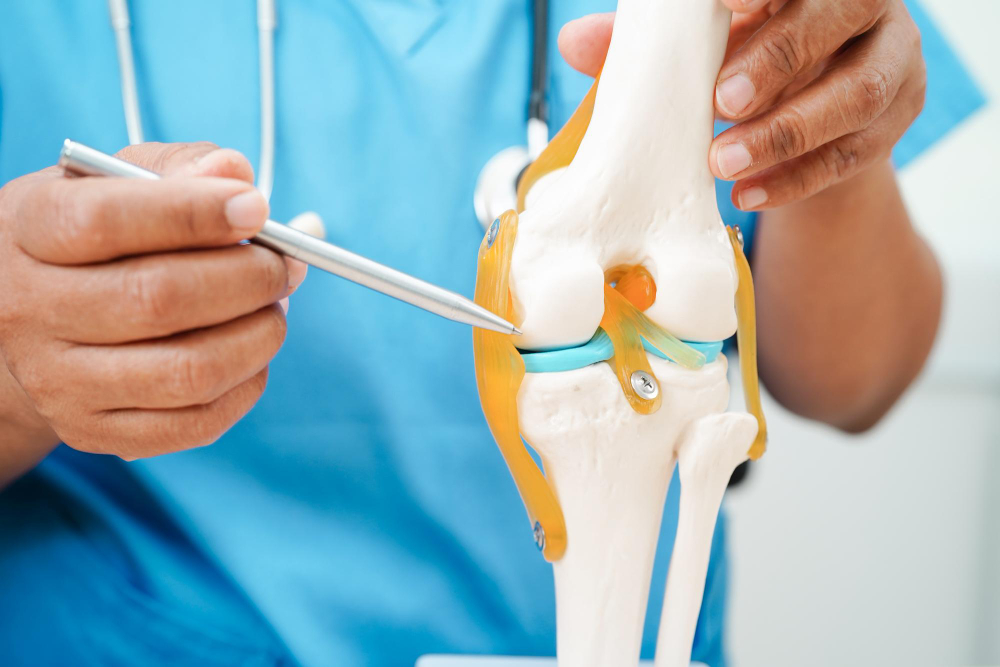
Knee osteotomy is a type of knee realignment surgery. During this procedure, a surgeon cuts and adjusts the bone near the knee joint. This helps move weight off the damaged area. Usually, the surgeon works on the shinbone (tibia) or thighbone (femur). Sometimes, a wedge of bone is removed or added. Then, the bone is fixed in its new position with plates or screws. Over time, the bone heals in this new shape. This surgery can delay the need for a knee replacement.
Who Needs Knee Osteotomy?
Not everyone with knee pain needs this surgery. However, knee osteotomy is often recommended for:
For many, knee osteotomy offers a way to stay active and reduce pain.
Symptoms and Diagnosis Leading to Knee Osteotomy
Doctors may suggest knee osteotomy if you have certain symptoms. For example, you may feel pain on the inside or outside of your knee. Swelling, stiffness, or trouble walking can also be signs. Sometimes, the knee may look crooked. To diagnose the problem, doctors use:
After reviewing your symptoms and test results, your doctor will decide if knee osteotomy is right for you.
How is Knee Osteotomy Performed?
The knee osteotomy procedure takes about one to two hours. First, you receive anesthesia to keep you comfortable. Next, the surgeon makes a small cut near your knee. Then, the bone is carefully cut and moved into a better position. Sometimes, a wedge of bone is removed or added. Metal plates and screws hold the bone in place. Finally, the cut is closed with stitches. Most people stay in the hospital for one or two days. After surgery, you will start gentle exercises to help your knee heal.
Benefits of Knee Osteotomy
Knee osteotomy offers several benefits, especially for younger and active people. Some key benefits include:
Because of these benefits, many people choose knee osteotomy over other orthopedic knee procedures.
Risks and Possible Complications
Like all surgeries, knee osteotomy has some risks. However, most people recover well. Possible risks include:
Doctors take steps to lower these risks. Still, it is important to follow all aftercare instructions.
Recovery and Aftercare
Recovery after knee osteotomy takes several months. But with care, most people return to normal activities. Here are some tips for a smooth recovery:
With time, you will notice less pain and better knee movement.
Prevention and Lifestyle Tips
While not all knee problems can be prevented, you can lower your risk of knee pain. Consider these lifestyle tips:
By following these tips, you can help protect your knees and delay the need for orthopedic knee procedures.
Call-to-Action:If you have ongoing knee pain or are considering knee osteotomy, consult an orthopedic specialist. They can guide you to the best treatment for your needs. Consult Vasista Orthocare for personalized advice.