
Introduction
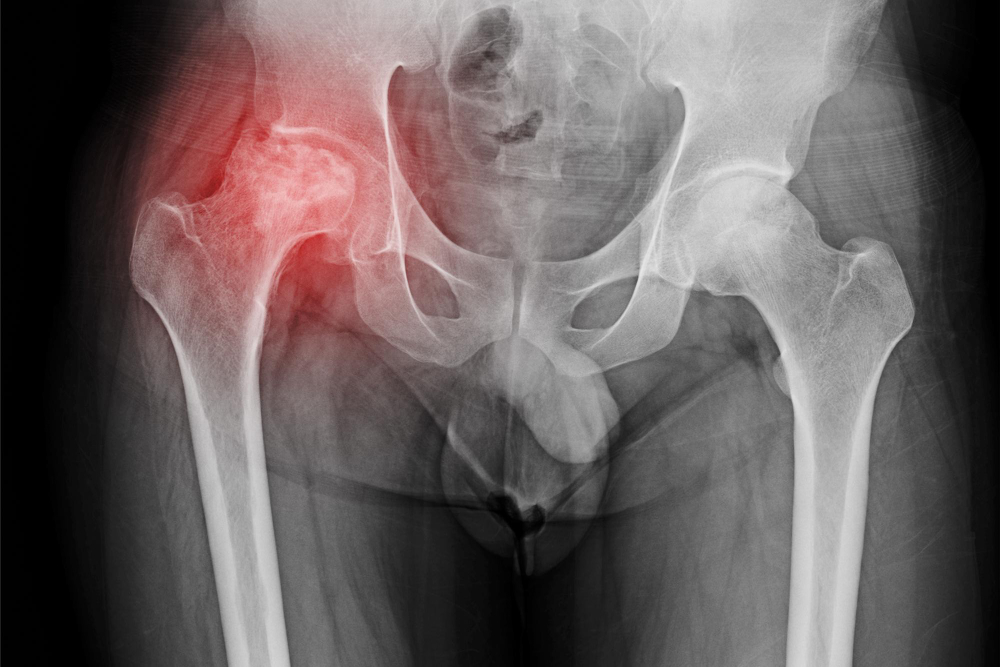
Avascular necrosis of hip is a serious condition. It happens when blood stops reaching the hip bone. Without enough blood, the bone tissue dies. This is also called hip bone death. Over time, the hip joint may weaken or collapse. As a result, people often feel pain and lose movement in the hip. Early treatment for avascular necrosis can help prevent more damage. According to the CDC, this condition can affect anyone, but some people are at higher risk.
Symptoms
At first, avascular necrosis of hip may not cause symptoms. However, as the condition gets worse, signs become clear. For example, you may notice:
Sometimes, pain can start suddenly. But in many cases, it builds slowly. If you notice these symptoms, it is important to seek help.
Causes and Risk Factors
Avascular necrosis of hip happens when blood flow to the hip bone is blocked. There are several reasons this can occur. For instance, common causes include:
Some people are more likely to develop this condition. Risk factors include:
Even so, sometimes the cause is unknown. But knowing your risks can help you take action early.
Diagnosis
Doctors use several steps to diagnose avascular necrosis of hip. First, they ask about your symptoms and medical history. Next, they perform a physical exam. If they suspect hip bone death, they may order tests such as:
Early diagnosis is key. With quick action, you can prevent more damage to the hip joint.
Treatment Options
Treatment for avascular necrosis depends on how much damage has occurred. Sometimes, doctors suggest non-surgical options first. These may include:
If the condition is severe, surgery may be needed. Surgical treatments can include:
Each treatment has its own risks and benefits. Therefore, your doctor will help you choose the best option.
Prevention and Lifestyle Tips
While not all cases can be prevented, you can lower your risk. Here are some helpful tips:
Additionally, regular check-ups can help catch problems early. Healthy habits support strong bones and joints.
When to See a Doctor
If you have hip joint pain that does not go away, see a doctor. Also, if you notice trouble moving your hip or start limping, get checked. Early treatment for avascular necrosis of the hip can stop the problem from getting worse. Do not ignore ongoing pain or stiffness. Your doctor can help find the cause and suggest the right treatment.
Consult Vasista Orthocare for personalized advice on avascular necrosis of the hip.