What Are Foosh Injuries?
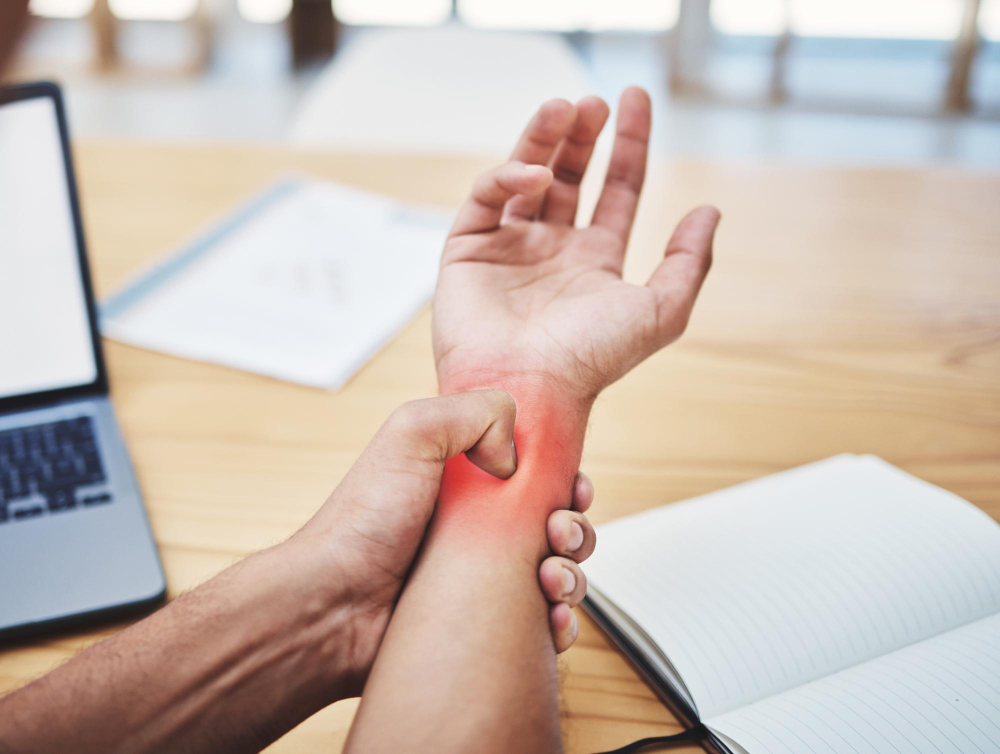
Foosh injuries are common after a fall on an outstretched hand. The term “Foosh” stands for “fall on outstretched hand.” When you try to break a fall with your hand, you may hurt your wrist, arm, or shoulder. Because these injuries can lead to pain and swelling, it is important to know what to look for. Understanding Foosh injuries helps you get the right treatment quickly. Many people, both children and adults, experience these injuries each year. Often, Foosh injuries include wrist fractures, sprains, or even elbow problems. Knowing the basics can help you stay safe and heal faster.
Common Symptoms of Foosh Injuries
After a fall on an outstretched hand, you may notice several symptoms. Early signs can help you decide when to seek care. For example, pain and swelling are common. However, other symptoms may also appear. Watch for the following:
Sometimes, symptoms may not appear right away. Therefore, keep an eye on your hand and wrist after a fall. If you notice any of these signs, it is best to seek medical advice.
Causes and Risk Factors
Foosh injuries happen when you try to stop a fall with your hand. As a result, the force travels up your arm, which can hurt bones or joints. While anyone can get a Foosh injury, some people are at higher risk. For instance, children and older adults fall more often. In addition, people with weak bones or balance problems face greater risk. Common causes and risk factors include:
Because falls can happen anywhere, it is important to stay alert. Taking steps to prevent falls can lower your risk of a fall on outstretched hand injury.
How Foosh Injuries Are Diagnosed
Doctors use several methods to diagnose Foosh injuries. First, they will ask about how the injury happened. Next, they will check your hand, wrist, and arm for pain or swelling. In many cases, doctors order X-rays to look for broken bones. Sometimes, they may use other tests like MRI or CT scans. These tests help find soft tissue injuries or small fractures. Early diagnosis is important because it helps prevent long-term problems. According to the American Academy of Orthopaedic Surgeons, quick care can lead to better healing and less pain.
Treatment Options for Foosh Injuries
Treatment depends on the type and severity of the Foosh injury. For minor injuries, rest and ice may be enough. However, more serious injuries like a wrist fracture from falling may need a cast or even surgery. Common treatment options include:
Because each injury is different, always follow your doctor’s advice. Early treatment can help you recover faster and avoid complications.
Tips for Prevention and Recovery
Although Foosh injuries are common, you can take steps to prevent them. In addition, proper care can speed up recovery. Here are some helpful tips for orthopedic injury prevention and healing:
By staying alert and taking care of your body, you can lower your risk of a fall on outstretched hand injury. If you have questions about recovery, your doctor can help guide you.
If you suspect a FOOSH injury, consult an orthopedic specialist at Vasista Orthocare for personalized care and advice.