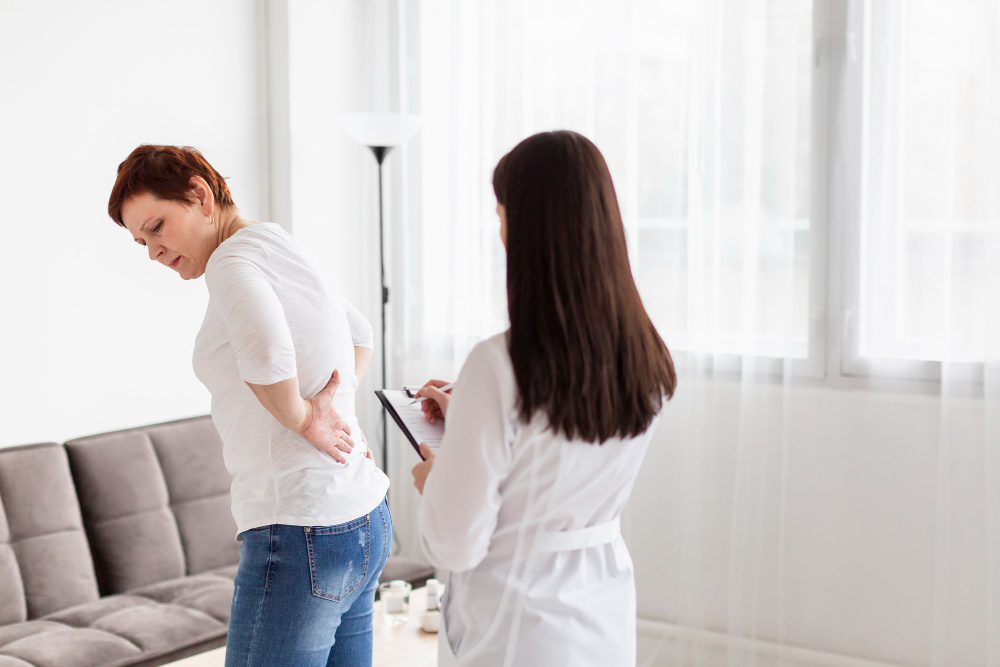
Scoliosis is a condition where the spine curves sideways. Noticing the early signs of scoliosis can help you get the right care quickly. Early detection is important, especially for children and teens. In this guide, you will learn how to spot scoliosis early, what symptoms to look for, and when to see an orthopedic specialist for scoliosis.
What Is Scoliosis?
Scoliosis means the backbone, or spine, is not straight. Instead, it curves to the side, forming an “S” or “C” shape. Most often, scoliosis starts in children or teenagers. Sometimes, it is mild and does not cause problems. However, in some cases, the curve can get worse as a child grows. Because of this, it is important to watch for early signs of scoliosis.
Why Early Detection Matters
Early detection of scoliosis can make a big difference. When you spot scoliosis early, treatment is often easier and more effective. For example, mild curves may only need regular check-ups. But if the curve is found late, it may need a brace or even surgery. Also, early treatment can help prevent pain, breathing problems, or changes in posture. Therefore, knowing the early signs of scoliosis helps protect your child’s health.
Common Early Signs of Scoliosis
It is not always easy to see the first symptoms of scoliosis in children. Still, there are some common signs to watch for. If you notice any of these, it may be time to check further:
In children and teens, these signs may appear slowly. Sometimes, the child does not feel pain. However, parents or teachers may notice changes in posture or how clothes fit. Because these signs can be subtle, regular checks are helpful.
How to Check for Scoliosis at Home
You can do a simple check at home to look for early signs of scoliosis. Here are easy steps:
If you see any unevenness, it does not always mean scoliosis. But, it is a good idea to watch for changes over time. If you are unsure, you can take a photo to compare later. Above all, if you have concerns, talk to a healthcare provider.
When to See an Orthopedic Specialist
Sometimes, early signs of scoliosis need a closer look. You should see an orthopedic specialist if:
Even if the signs are mild, a specialist can check the spine and suggest next steps. Early advice can help prevent problems later. Therefore, do not wait if you are worried.
Conclusion & Call-to-Action
In summary, knowing the early signs of scoliosis can help you act quickly. Watch for uneven shoulders, hips, or changes in posture. Simple home checks can help spot problems early. If you notice any red flags, consult Vasista Orthocare for personalized guidance. Early care can make a big difference in your child’s health and well-being.